The Growth of Swansonville and Port Ludlow: 1900 - 1950

The dawn of the 20th century was a time of building—of new homes, a lasting community, and the very heart of Swansonville: our little church.
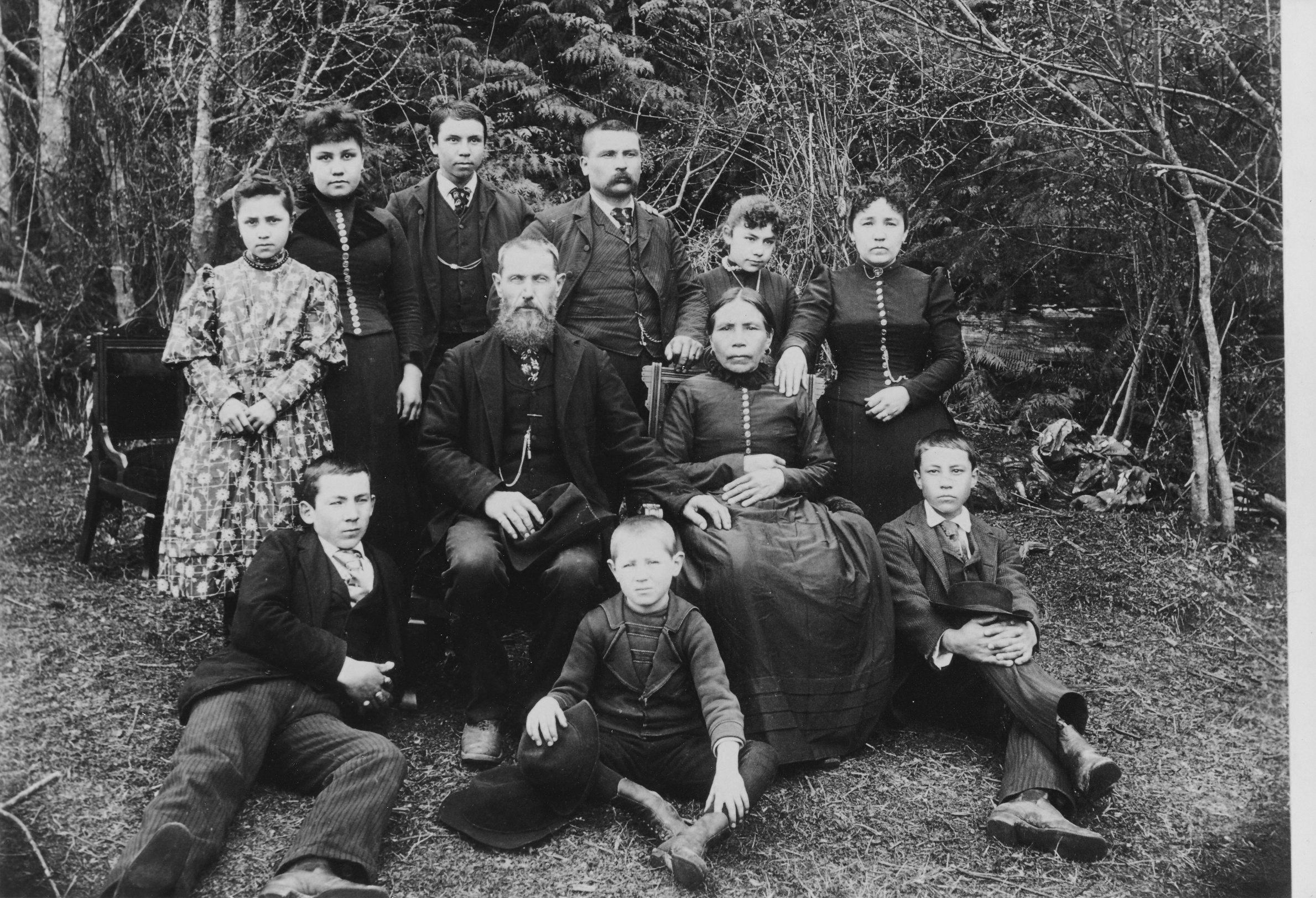
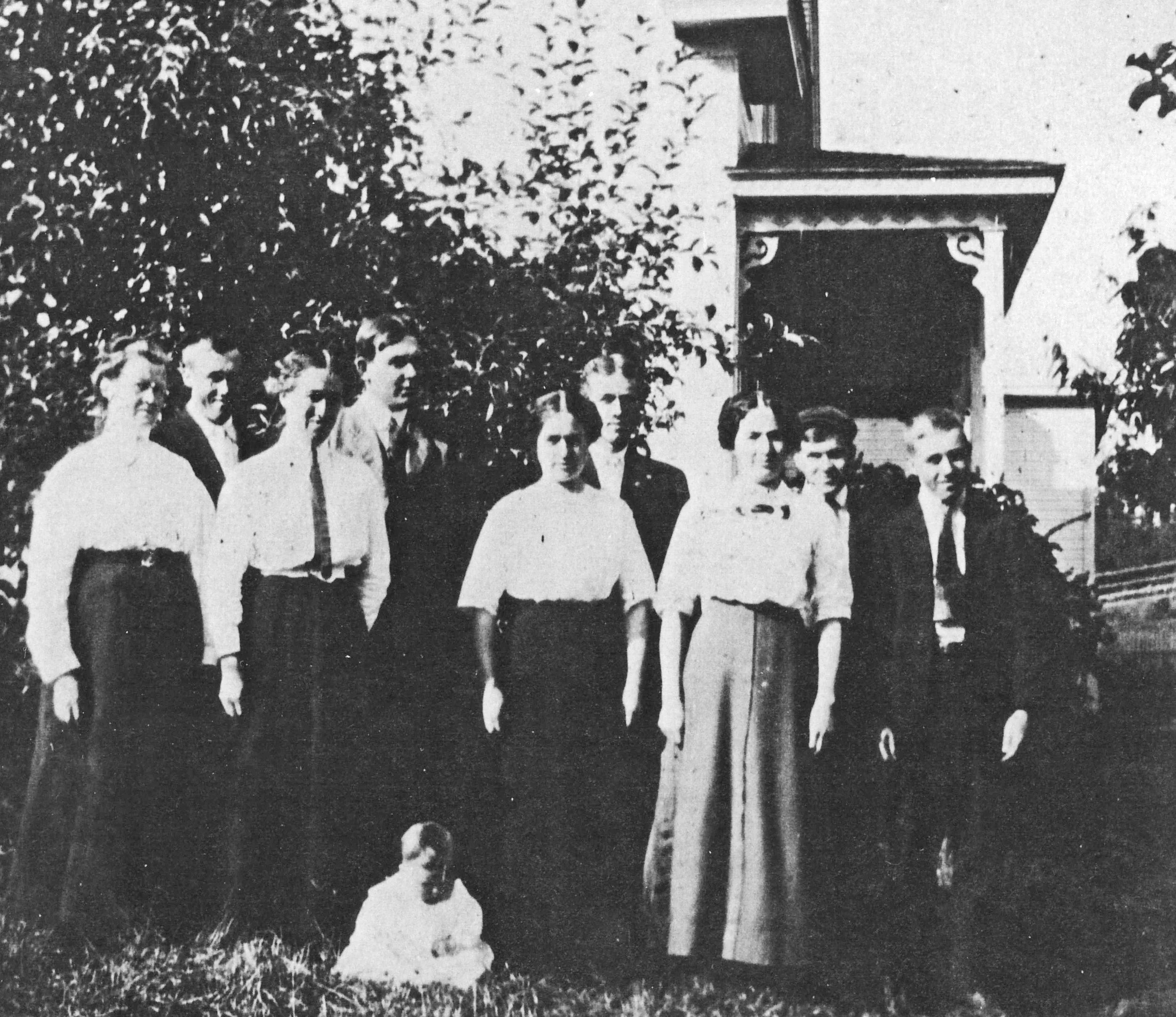
In the late 1890s and early 1900s, families began putting down permanent roots around Port Ludlow. These new homesteaders quickly saw the need for a shared space, not just for Sunday services, but to celebrate and mourn together as a community. They envisioned a chapel for baptisms, weddings, and funerals—a cornerstone for their growing lives here.
The Birth of a Community Church
The formal steps to create this space began on June 18, 1902, with the incorporation of the Christian Congregation of Port Ludlow. From the start, the founders—trustees Hjalmar Johnson, George H. Bates, and M.G. Anderson—ensured it would be a truly community-owned church, with “no specific denomination or sect” in control.
The dream became reality thanks to Hans and Helene Swanson, who generously deeded a small plot of land to the congregation on November 9, 1903. Legend has it that the church itself, built in 1904, was constructed with care and community spirit. Stories tell of members hauling lumber—some say discarded mill scraps—uphill in wheelbarrows, board by board, to create the building we know today.
The Mill's Final Boom and Decline
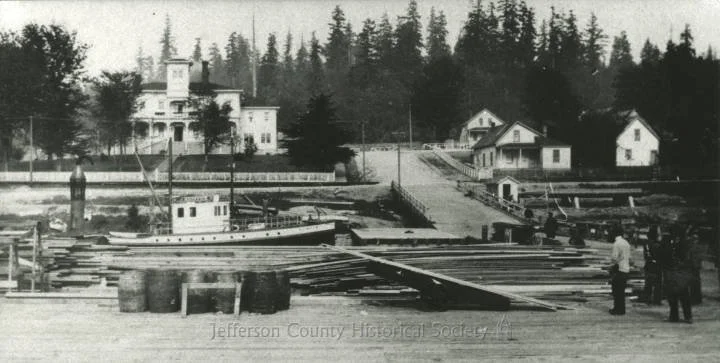
While our church community was growing, the mighty lumber mill that defined the region entered its final chapter. In 1916, the old Admiralty Hall was turned into The Admiralty hotel.
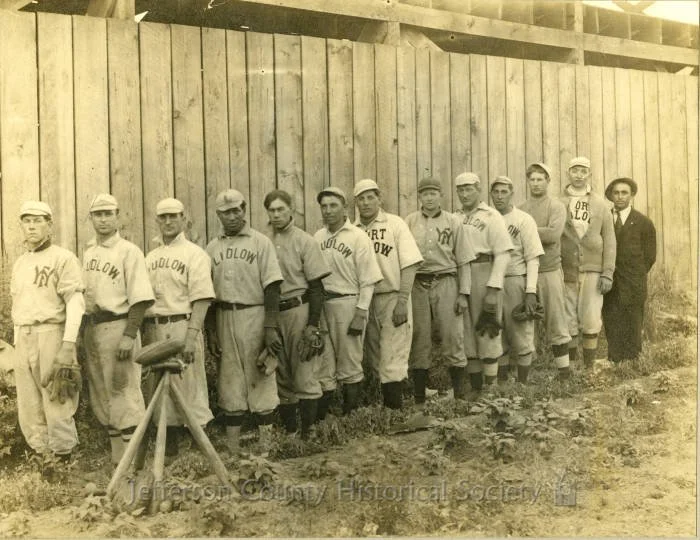
A major shift came in 1925 when the Charles McCormick Lumber Company purchased the Puget Mill empire. They expanded operations, building a large new annex with modern amenities, and by 1927 the mill was running at full capacity with 400 men.
However, this boom was short-lived. After a fire damaged Admiralty Hall in 1936, economic struggles followed. The mill was foreclosed on and, after changing hands again, was permanently shut down in December 1938. The following decade saw a dismantling of the physical mill town, with nearly all the buildings being moved to Port Gamble and Silverdale in the 1940s for worker and wartime housing.
Why This Era Matters to Us
This period shows the powerful contrast between two legacies. One, the sprawling industrial mill, eventually faded and was physically moved away. The other, our small chapel built by hand from community-donated materials, remained. It stands as a testament to the families who chose to build a life here, not just a livelihood. Their commitment created the enduring community landmark we are now working together to preserve.